
Digital Inclusion Is Now a Government Remit. Remits Don’t Come With Devices.
· 3 min read
Digital inclusion has a new home in government. A remit is a direction, not a device, and the devices that could help already exist.
· 3 min read · Written by Bobby Ghayouri.
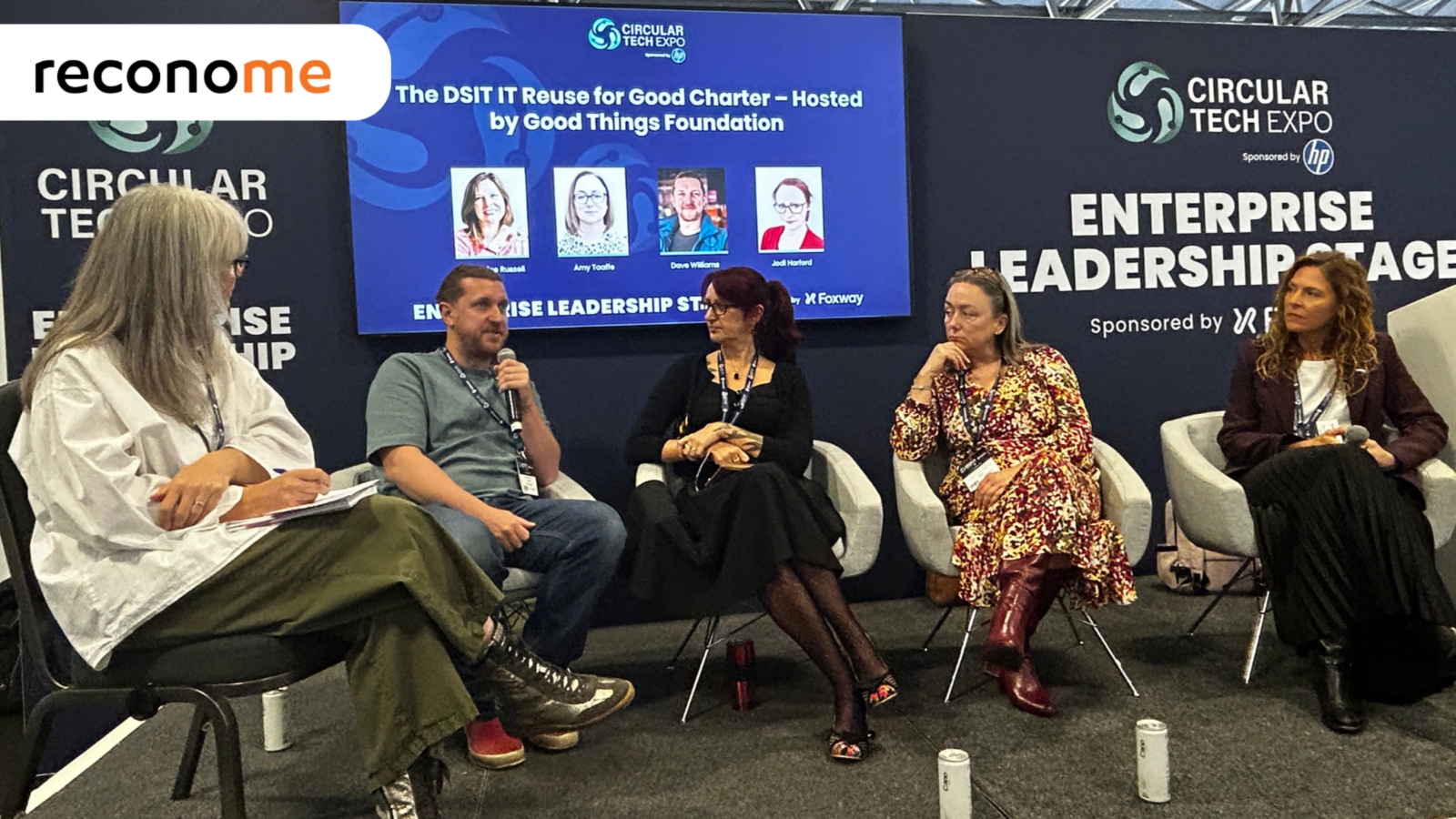
Circular Tech Expo ran at Farnborough International on 13 and 14 October. On day two, Dave Williams, Director at Reconome, joined a 45-minute panel on the IT Reuse for Good Charter on the Enterprise Leadership Stage, hosted by Natasha Early, Business Development and Partnerships Manager at Good Things Foundation.
He was joined by Catherine Holiday, Head of Sustainability and Social Impact at VodafoneThree, Amy Taaffe-Evans, Head of Digital Strategy and Capability Centre at the DVLA, and Jodi Harford, Founder and Director of the Tech-Takeback Foundation. A corporate, a government agency, a community reuse organisation and an ITAD, on a stage built for enterprise IT leaders. That mix was the point.
AI came up first, and it is a hardware problem before it is anything else. Microsoft's specification for a Copilot+ PC is a processor rated above 40 trillion operations per second, 16GB of RAM and 256GB of storage. Very little of what leaves a corporate estate today clears that bar.
The gap is already measurable. One in five online UK adults rely solely on a smartphone, with no computer or tablet at all, up from one in eight in 2019, and 55% of them live in C2DE households. Just over half of adults now use tools such as ChatGPT or Copilot; narrow internet users are much less likely to (Ofcom, April 2026). Every generation raises the specification for a useful device, and the people furthest behind wait longest for the hand-me-down.
The panel was clear that voluntary effort alone will not get the country where it needs to be. Digital inclusion has also just moved from DSIT to DCMS. Where that work sits, and how hard it is pushed, will shape the next few years.
This was the message the whole panel shared. Manufacturers decide how long a device stays useful, and a support deadline can retire a working machine overnight.
"Every working device made redundant by software is one less device for someone in digital poverty," Dave said.
Manufacturers owning their part in that cycle. Continuity and pressure behind digital inclusion through the move to DCMS. And honesty from the rest of us: reuse is a powerful lever, but nobody in that room, ourselves included, has found the blend of solutions that shifts digital poverty at national scale. We are not close.
The practical route is open. Fifty-three organisations have signed the IT Reuse for Good Charter and committed to a reuse-first approach to their retired IT. Reconome is one of them.
If your organisation is thinking about a reuse scheme, talk to us at rethink@recono.me.
Old tech. New beginning.
More insights
· 3 min read
Digital inclusion has a new home in government. A remit is a direction, not a device, and the devices that could help already exist.
· 4 min read
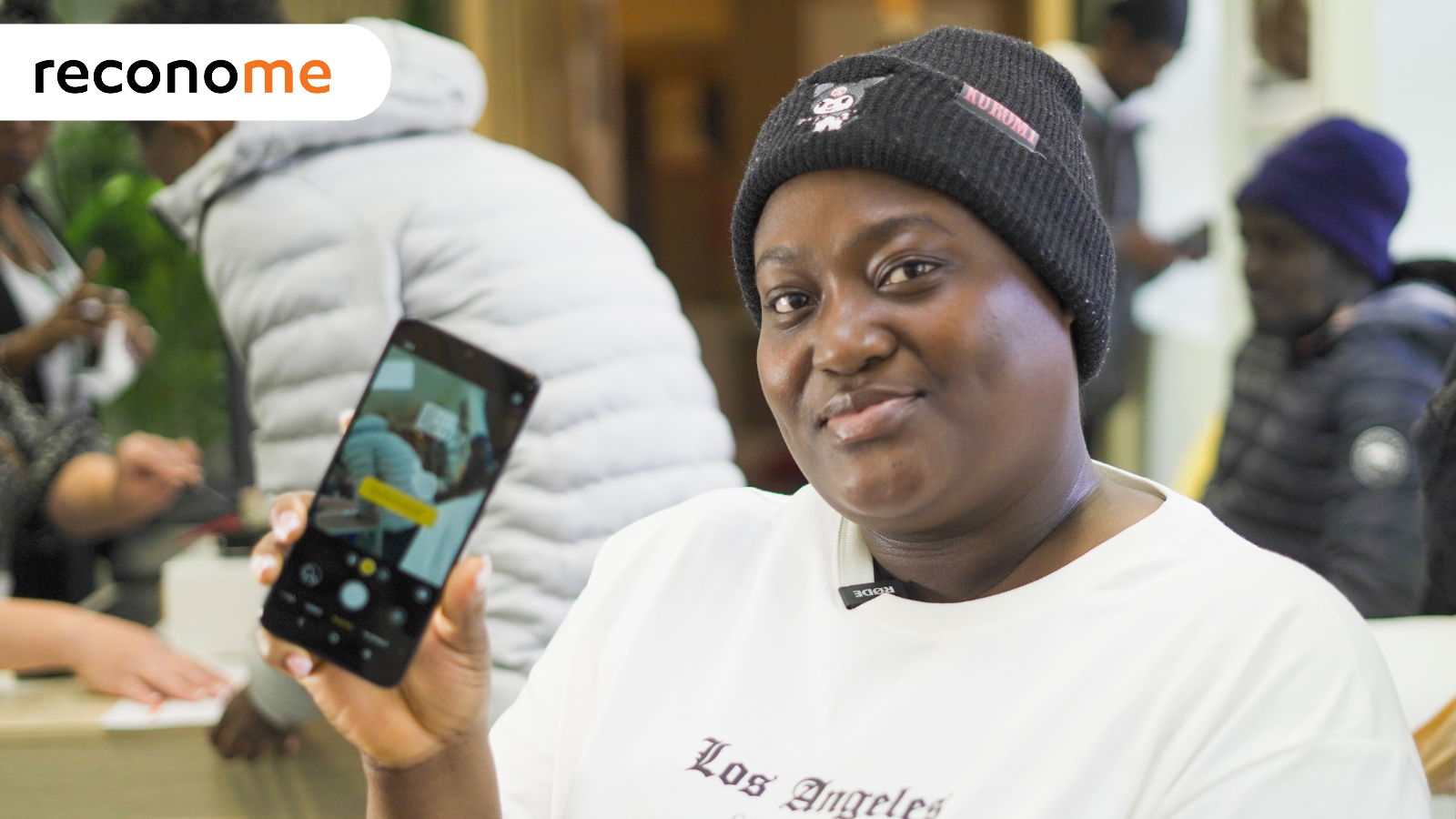
A phone that once served a business is now keeping Paule in touch with her children and powering her ambitions as a chef, after homelessness left her cut off from both. This is her story.
· 5 min read
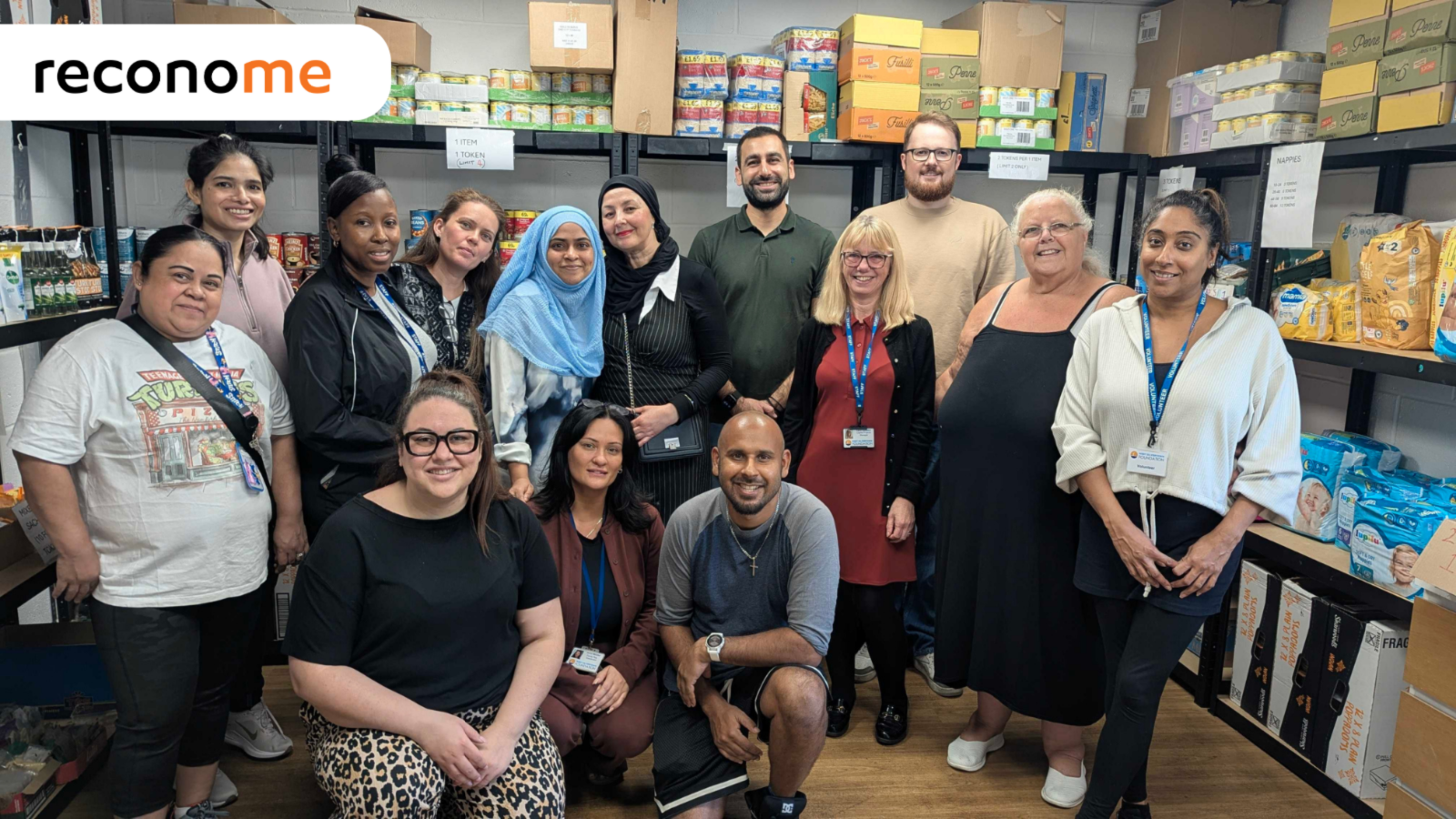
We visited West Silvertown Foundation, a digital inclusion hub for the National Device Bank. Here's what we saw, and why it moved us.
Let’s discuss how your surplus technology can drive positive change.