

What is the National Device Bank and How Does it Work?
· 3 min read
The National Device Bank is powered by the UK’s leading digital inclusion charity, Good Things Foundation and their exclusive technology
· 3 min read · Written by Bobby Ghayouri.
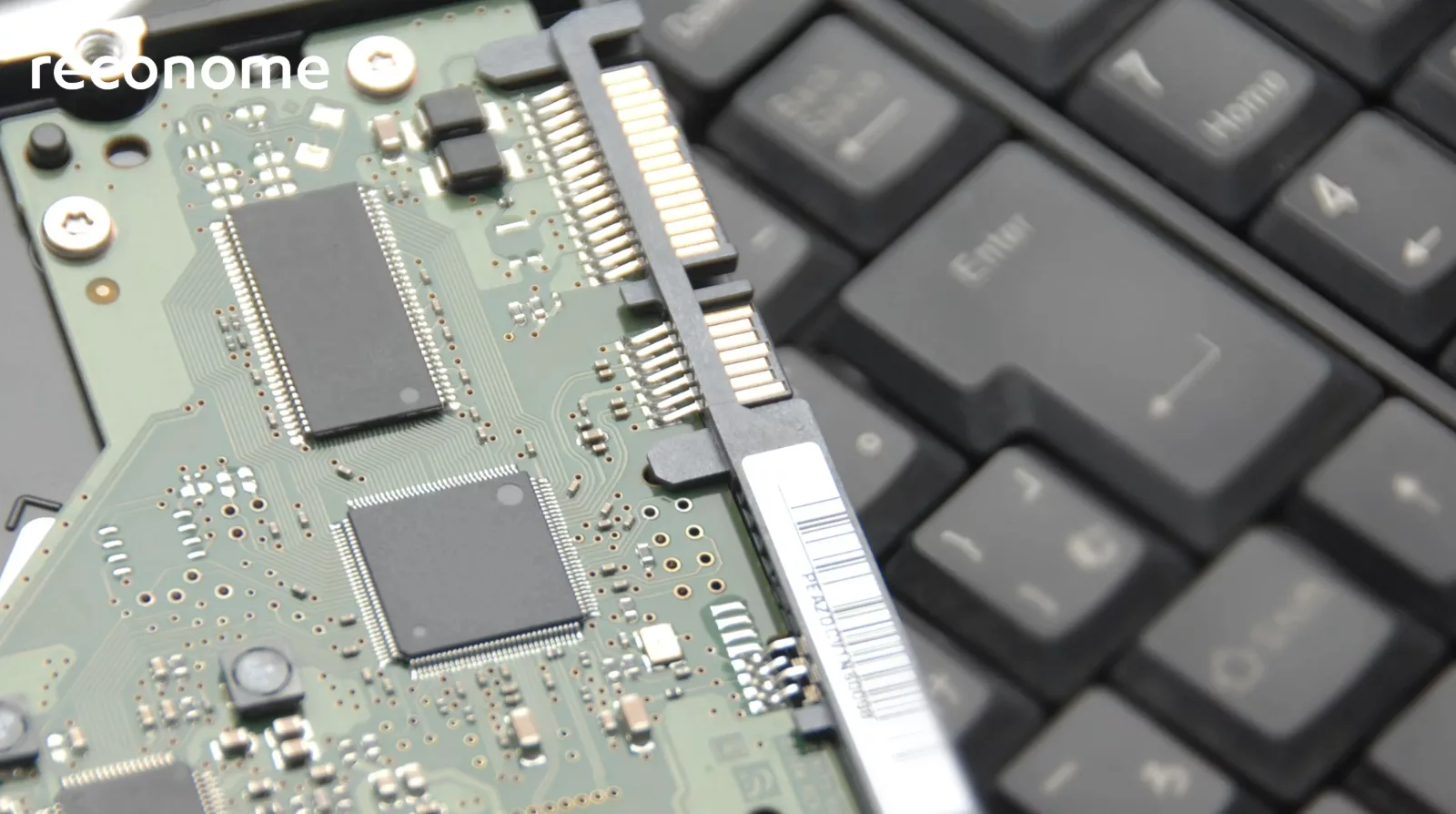
Across multiple reports, prices for DRAM and flash storage are significantly higher now than in recent years, and forecasts indicate continued upward pressure through 2026.
In 2025, RAM and SSD prices surged sharply, with some components climbing over 300% between August and December last year. For businesses planning their IT refreshes, device rollouts, or cloud expansions, these trends could mean higher costs, longer lead times and harder choices ahead.
Here’s the core dynamic:
Data centres powering large AI models require huge amounts of DRAM, high bandwidth memory and SSD storage, often orders of magnitude more than traditional servers. This is pulling global memory supply toward high-margin, high-performance products and away from mainstream enterprise, industrial, and consumer segments.
Memory manufacturers have tightened production following years of oversupply and are now prioritising new technologies and AI-oriented components. That means fewer older DRAM and NAND flash memory products are available for regular hardware refresh cycles.
Across multiple reports and market trackers, DRAM and flash storage pricing is significantly higher now than in recent years. Forecasts suggest continued increases through early 2026. This isn’t a short lived spike; it’s a structural market shift.
Memory is one of the largest cost components in modern devices, especially servers, workstations, and high-performance laptops, so rising memory prices directly push up the price of new devices.
Buyers are pre-purchasing memory early to avoid cost inflation, which drains inventory channels and means longer waits for stock.
Companies that delay upgrades or replacements may find themselves paying significantly more later for the same gear, or having to compromise on performance and capacity.
Here, we have crafted an actionable plan to get ahead of the impending price increases, to put your organisation on the front foot with your 2026 IT planning:
For guidance, see our guide: “How to Preserve Device Value: Maximising Corporate IT Asset Value Across the Lifecycle.”
Where possible, look at refurbished alternatives, they often deliver comparable performance at significantly lower cost, with warranties to provide assurance in longevity.
The memory squeeze is already shaping how IT teams plan purchases and refresh cycles. Waiting could mean higher costs, less choice, and slower rollout timelines.
Are you ready to future-proof your IT strategy, before memory prices make it even more expensive?
To learn more about how Reconome can advise and support your organisation in applying these resolutions, please contact us at rethink@recono.me
Reconome is a B Corp certified ITAD company. We collect surplus IT, erase it to the NIST 800-88 Rev.2 standard, refurbish it and rehome it with people who need it.
See how ITAD with Reconome worksMore insights
· 3 min read
The National Device Bank is powered by the UK’s leading digital inclusion charity, Good Things Foundation and their exclusive technology

· 4 min read
As IT leaders reflect on 2025, one thing is clear: the pressure on IT teams has never been greater. Rising

· 4 min read
Which should you choose, and what is the difference between them? Although many of us are now purchasing previously used electronics alongside other ethically sourced office supplies; to help achieve our CSR and sustainability goals; some confusion remains around the terms refurbished, remanufactured and recycled.
Let’s discuss how your surplus technology can drive positive change.