

Digital Inclusion Is Now a Government Remit. Remits Don’t Come With Devices.
· 3 min read
Digital inclusion has a new home in government. A remit is a direction, not a device, and the devices that could help already exist.
· 4 min read · Written by Bobby Ghayouri.
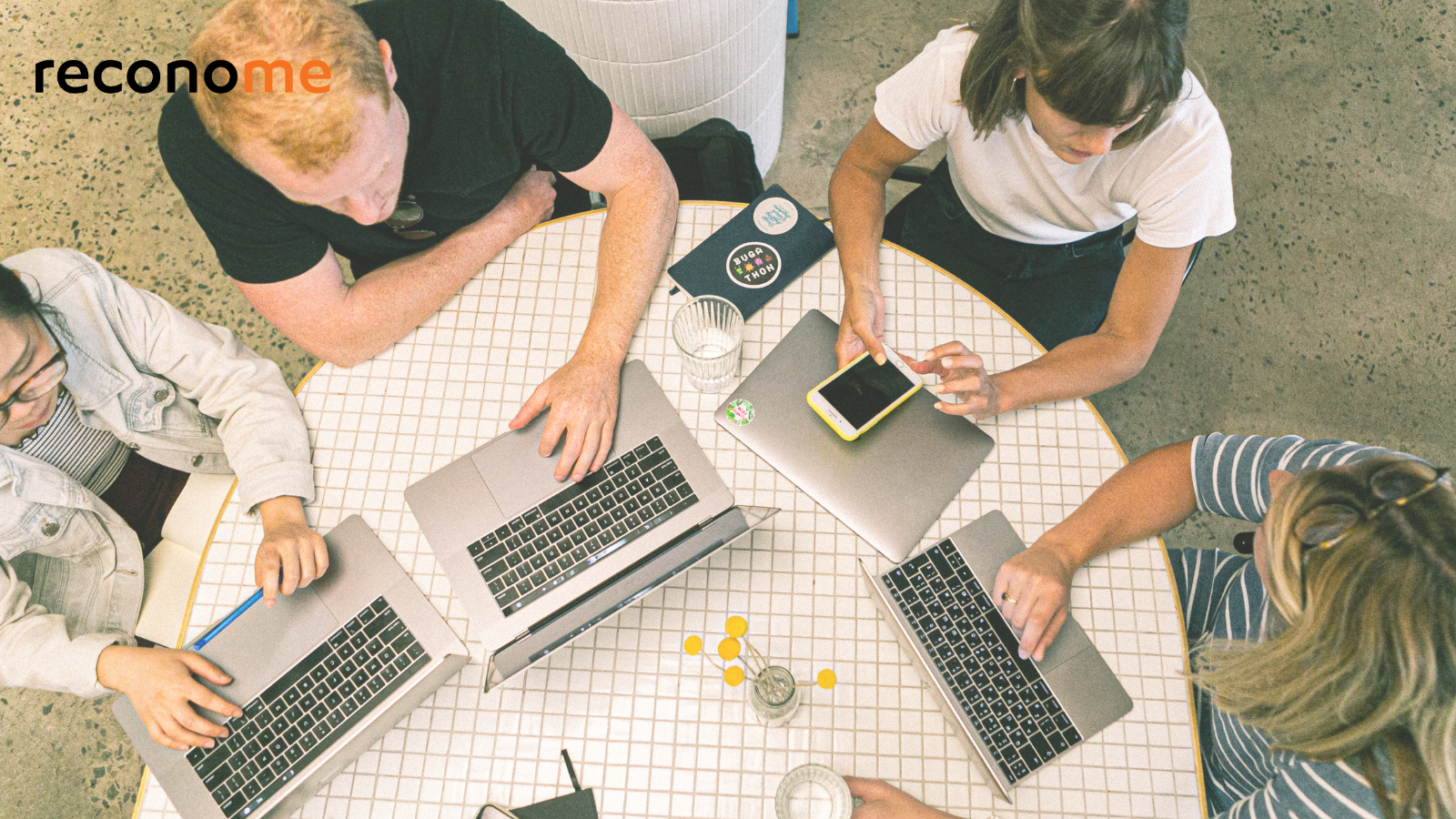
Artificial intelligence is the great opportunity of our time. Every government announcement says so. Every board presentation references it. Every job description now mentions it.
Nobody mentions the device.
You need one to use it. And 1.6 million adults in the UK do not have a smartphone, tablet or laptop. For them, the AI revolution is not a disruption to adapt to. It is a door they cannot open.
Coverage of the UK’s AI skills problem tends to focus on the workforce. DSIT’s AI Labour Market Survey 2025, carried out by Gardiner & Theobald, found that 97% of respondents identified at least one gap in AI skills. Senior employees are adopting AI tools at pace. High earners have access to paid tools, dedicated training time, and the space to experiment. Frontline workers are left to figure it out themselves, when they’re allowed to use AI at all.
That divide is real. But it assumes a foundation that millions of people in this country do not have.
Before skills, there is access. Before training, there is a device. And right now, 8.5 million adults in the UK lack the foundation-level essential digital skills needed to function online, let alone engage with AI.
The government knows this. Its Digital Inclusion Action Plan identified device access as one of the primary barriers to digital participation. The AI Skills Boost programme, announced in January 2026, aims to upskill 10 million workers by 2030, and the £187 million TechFirst programme is bringing digital and AI skills into classrooms and communities. Libraries are being turned into AI confidence hubs. Apprenticeships are being created.
All of that is welcome. None of it reaches someone without a device.
You cannot attend a digital skills workshop on a smartphone you don’t own. You cannot practise AI tools on a laptop that has never been yours. You cannot build confidence with technology you cannot hold.
Device access is not a downstream outcome of digital inclusion policy. It is the first step. And for 1.6 million adults, it is a step that has not happened yet.
Digital exclusion was already expensive before AI arrived. The offline poverty premium, the extra cost of accessing financial services, utilities, and transport without an internet connection, can cost digitally excluded people hundreds of pounds a year. Getting online reduces that cost. Staying offline means paying more for less, every year.
AI accelerates the same dynamic. Workers who use AI tools will become more productive, more employable, more competitive. Workers who cannot will fall further behind. The gap between them will compound over time. And the foundation of that gap is a device.
The irony, if you can call it that, is that the hardware is there.
Every year, enterprises across the UK upgrade their IT estates. Laptops are replaced. Tablets are decommissioned. Perfectly functional devices are wiped and sent to recyclers, or shredded, or sitting in storerooms waiting for a decision that never comes.
A refurbished, security-wiped device from a 2022 IT refresh is more than capable of running an AI confidence programme. It is capable of changing a life. It just needs someone to make sure it gets there.
Through our partnership with Good Things Foundation, we are the exclusive technology partner of the National Device Bank. We collect surplus IT from enterprises, wipe it to NIST 800-88 standards, refurbish it, and get it to digitally excluded people across the UK through the National Digital Inclusion Network. Together with Good Things Foundation, we have committed to deliver 85,000 devices to the UK’s most digitally excluded communities.
Each one of those devices is the prerequisite that makes every training programme, every skills course, every AI confidence hub possible for the person who receives it.
We are not going to close the AI skills gap on our own. That takes sustained investment in education, policy, and infrastructure.
But your surplus IT can close the gap for one person. Then another. Then another.
Your organisation almost certainly has surplus IT. Devices from a recent refresh. Hardware sitting in storage. Laptops decommissioned when the AI tools required a spec upgrade.
That surplus is not a disposal problem. It is the device that a job seeker in Leeds or a carer in Glasgow or a student in Tower Hamlets is waiting for. The one that makes the difference between being part of the AI era and being shut out of it entirely.
The AI revolution will not be equitable by accident. It requires deliberate choices about what happens to the hardware that’s left behind.
Your old tech is one of the most direct contributions you can make. We will handle the rest. See how the National Device Bank works.
Old tech. New beginning.
More insights
· 3 min read
Digital inclusion has a new home in government. A remit is a direction, not a device, and the devices that could help already exist.
· 4 min read
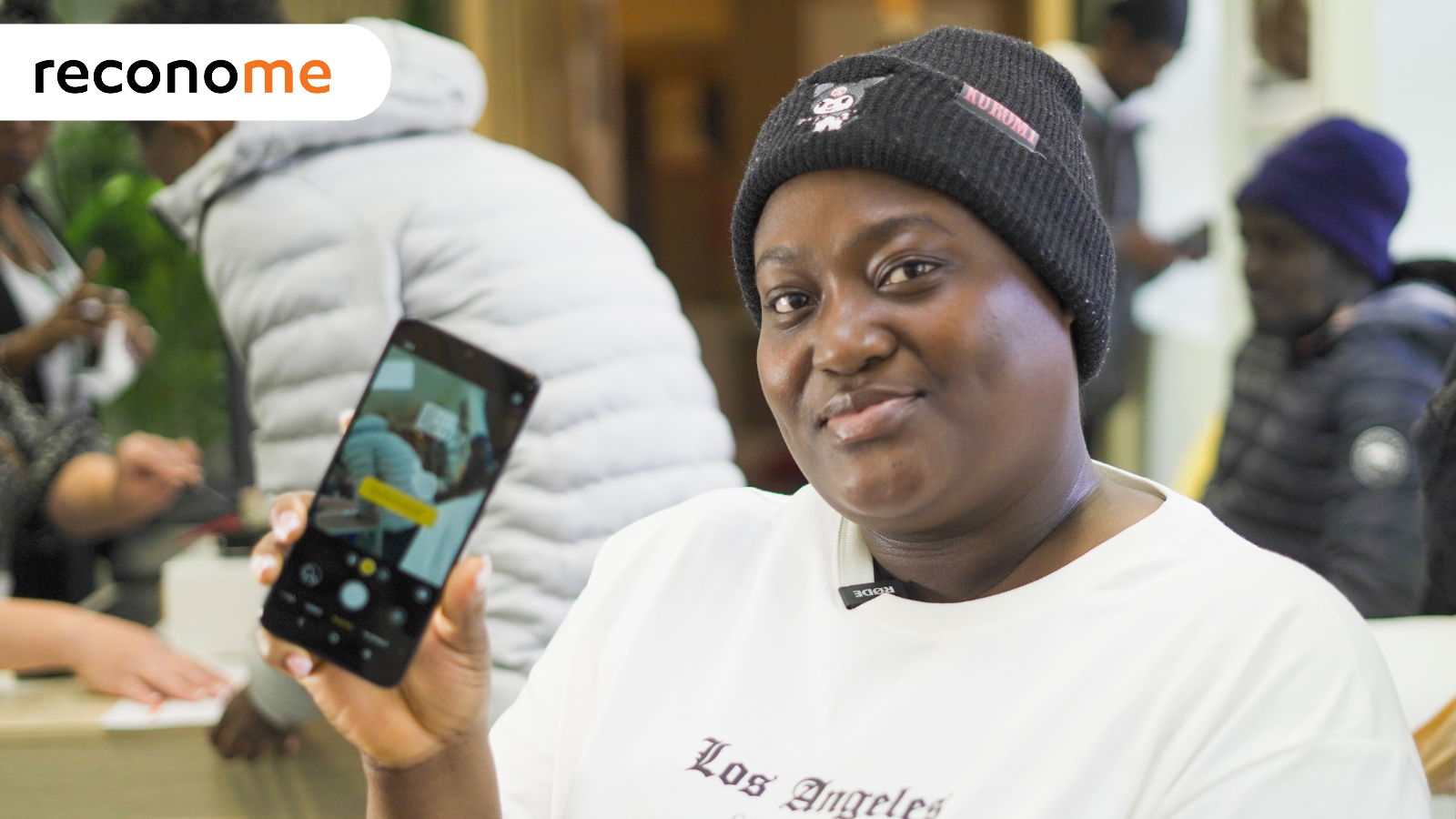
A phone that once served a business is now keeping Paule in touch with her children and powering her ambitions as a chef, after homelessness left her cut off from both. This is her story.
· 3 min read
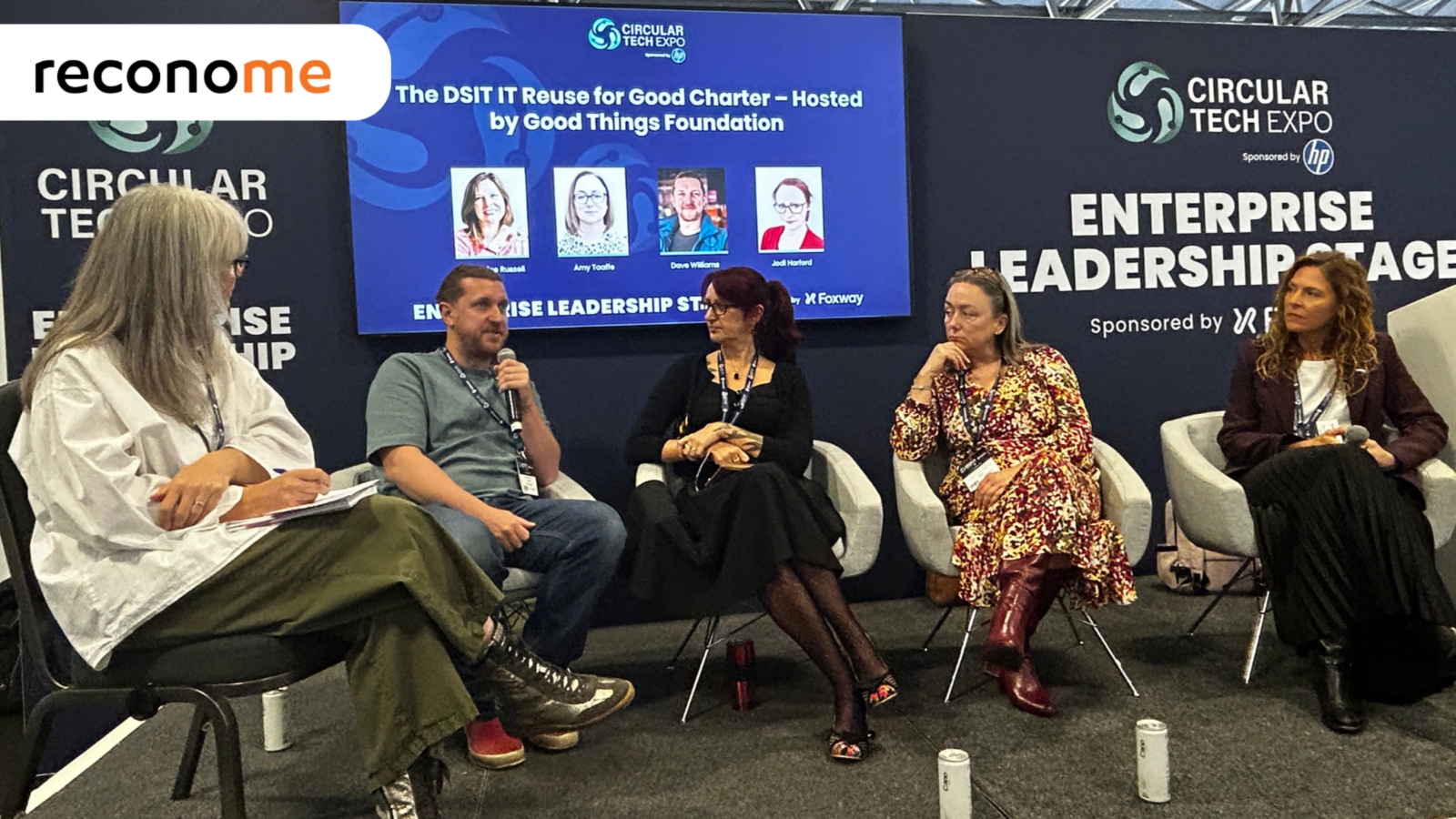
Our panel on the IT Reuse for Good Charter at Circular Tech Expo: AI and digital poverty, government pressure and built-in obsolescence.
Let’s discuss how your surplus technology can drive positive change.