
Proof, Not Promises: How to Measure What Your Old IT Actually Achieves
· 3 min read
Anyone can say their IT disposal is sustainable. Here is how to measure what your retired tech actually achieves, and how to prove it.
· 4 min read · Written by Bobby Ghayouri.
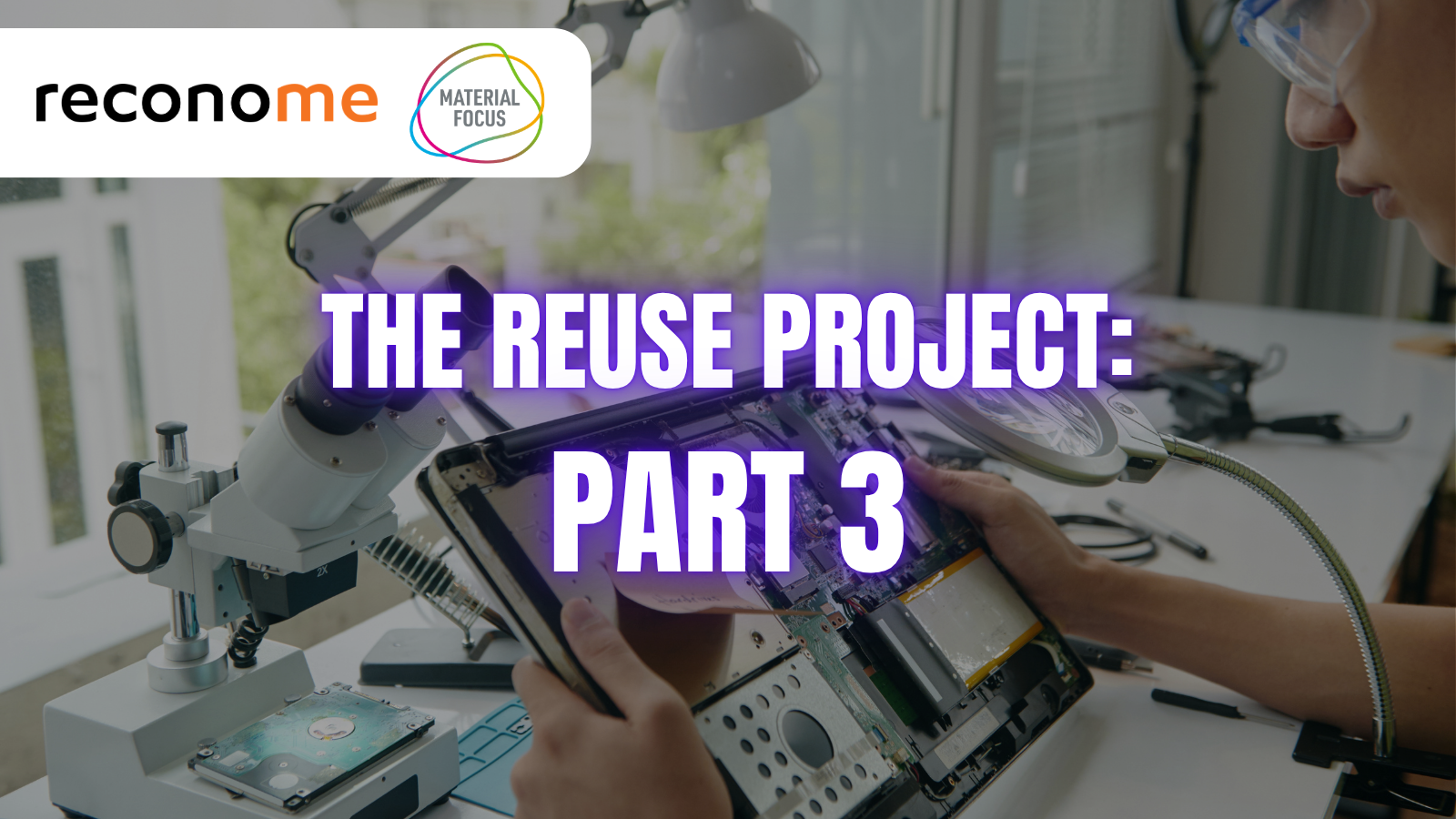
Part three of six. Knowing what a device is worth is one thing. Using that number to choose the best future for every single device is another, and it is the biggest stage of this project.
Reconome is one of the first four recipients of the Material Focus Circular Electricals Fund, building a system in five stages that gives every device we handle a considered decision about its future rather than a fast one, so that more devices reach people in digital poverty and fewer get recycled. Part one dealt with locked devices, and getting them cleared quickly rather than chased by email. Part two was device valuation, and why knowing what a device is genuinely worth is what funds the digital inclusion work. This part is about what that number lets us do.
Every device we take in has more than one possible future. It could be refurbished and resold. It could go directly to someone through digital inclusion. It could be stripped so its working parts bring other machines back to life. Or, if nothing better is left, it could be recycled.
Until now, choosing between them has been a judgement call, made device by device by experienced people on our team. It works, but nobody can weigh every option for every device against live prices, repair costs and labour time across tens of thousands of machines a year. So the reasonable answer tends to win over the best one.
That matters because of where the money goes. As we set out in part two, the value we recover from each device is what funds our digital inclusion work. Choosing a device’s outcome is the moment that value is actually realised, or lost. It is also time-sensitive. Devices lose value week by week, so the faster the right call is made, the more value is captured and the more impact it pays for.
The third stage of the Reuse Project is an outcome optimisation engine. It is the largest piece of work in the project, and the one that brings the earlier stages together.
For every device, it weighs the possible outcomes against each other. What the device is worth as it is, using the valuation engine from part two. What it would be worth repaired or upgraded, and whether that uplift outweighs the cost of the parts and labour to get there. Whether it is eligible for digital inclusion. What its components are worth if it is harvested instead. Then it recommends the outcome that does the most good with the device in front of us.
Some of the most useful recommendations are small. A device whose operating system has dropped out of support can move to ChromeOS Flex or a lightweight Linux build and qualify for digital inclusion again.
All of this depends on data we did not used to have. Our team in Doncaster now strips, tests and repairs devices and records every step: what each part is worth, and how long each action takes. An LCD replacement on a laptop, for example, takes around 11 minutes. Gather that kind of detail across every part and every action, and the engine can answer the question that matters: is this step worth doing for this device?
Recycling stays on the list, but as the last answer rather than the default. A device is only recycled once the better outcomes have been considered and ruled out, and the reason is recorded. That includes devices that will not power on, which used to skip assessment altogether. They are now priced on the model alone, and anything worth a second look is held back for a technician rather than scrapped on sight.
None of it overrides a person. The engine weighs, ranks and recommends; the decision belongs to the people doing the job, and every device keeps a record of what was considered.
The system recommends. People decide.
More value from every device. This is the stage where the number from part two becomes value recovered, and in our model, more value recovered means more devices reaching the people who need them.
More devices kept in use. Small fixes that used to be overlooked become routine, and fewer machines are recycled for reasons that had nothing to do with whether they still worked.
Consistency at scale. A call that relied on one person’s experience becomes one the whole operation makes the same way, quickly, with a recorded reason a client can put into a social value report and stand behind.
It has also meant rethinking how we operate, from the warehouse floor up. And it is the foundation for what comes next.
Next in The Reuse Project, part four: what happens to the devices we cannot save, and why the machine we give up on is often the most useful thing on the shelf.
One thing worth asking in the meantime. When your retired IT is processed, ask what outcomes were weighed for each device, and why the one chosen won. A tonnage figure tells you what left. A reason per device tells you whether it went to the right place.
Old tech. New beginning.
More insights
· 3 min read
Anyone can say their IT disposal is sustainable. Here is how to measure what your retired tech actually achieves, and how to prove it.
· 3 min read
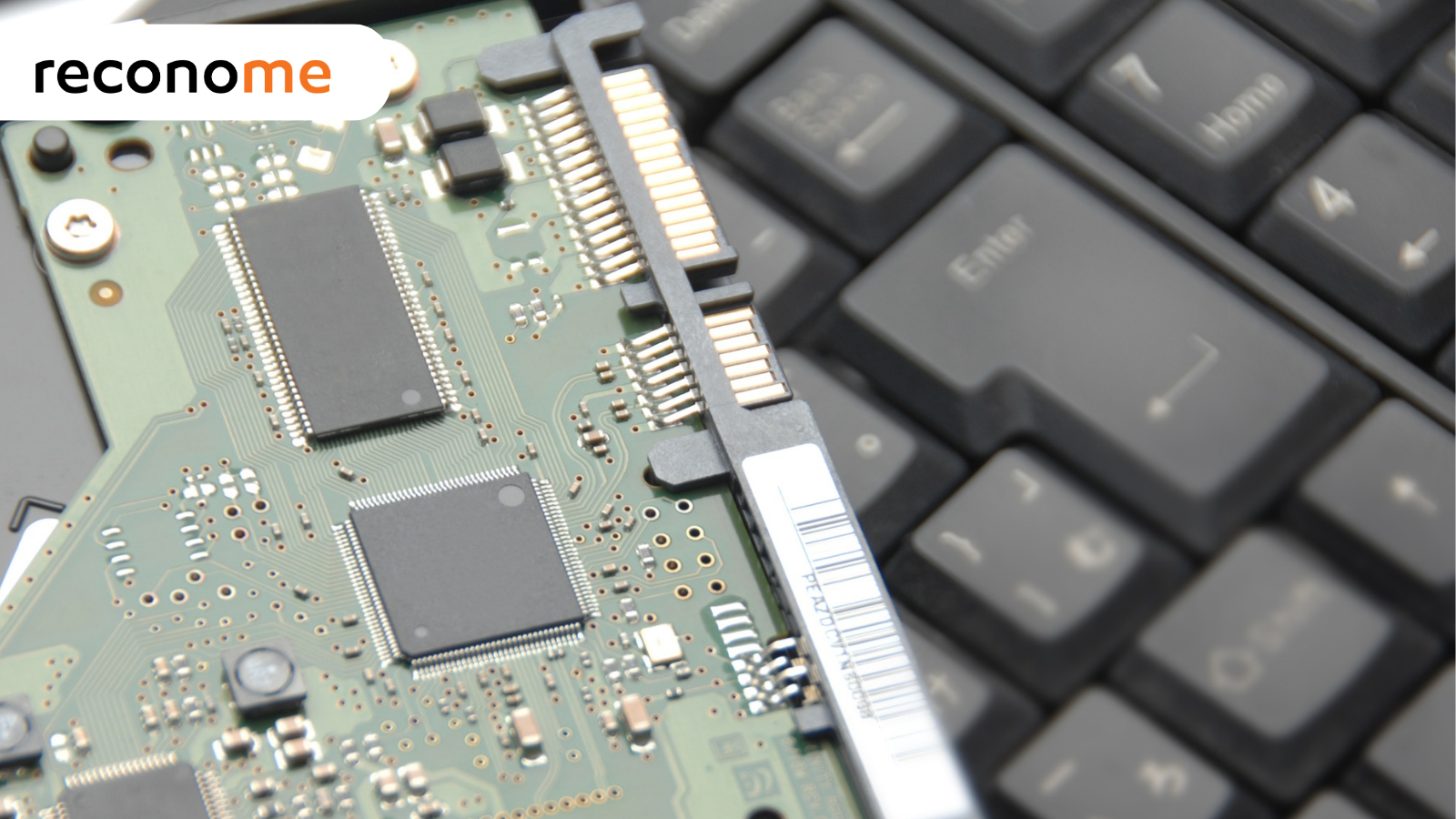
Omdia puts memory and storage at nearly 40% of a PC’s component cost. Here are three moves for an IT leader replanning a refresh.

· 6 min read
Year two of Windows 10 security updates has started at double the price. Before you pay it across the board, sort your estate into two piles.
Let’s discuss how your surplus technology can drive positive change.